

 6 August 2026
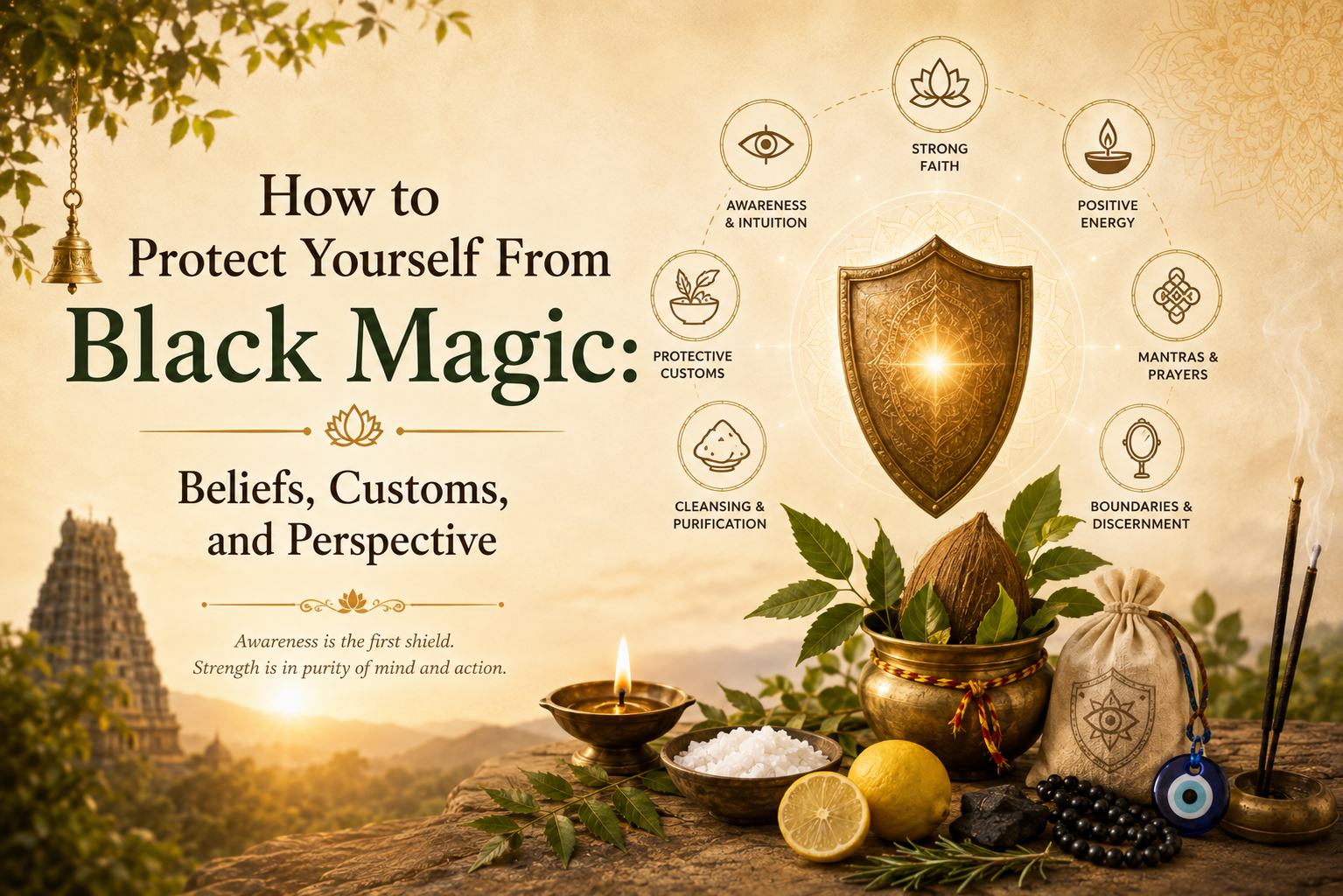
How to protect yourself from black magic is a question rooted in a very human wish: to feel safe from unseen harm. This article explains how different cultures and religions have traditionally sought protection from black magic, why these customs tend to bring comfort, and how a calm, grounded perspective is itself one of the most effective protections. It is written to share knowledge only. It makes no claim that black magic is real, recommends no ritual or product, and promises no results. The genuine value here is understanding, not a method.
Why the Wish for Protection Is So Universal
Almost every culture in history has developed customs meant to guard against ill intent, the evil eye, curses, or black magic. This near-universality tells us something about people rather than about the supernatural: humans everywhere seek reassurance against uncertainty and misfortune. Learning how to protect from black magic and how to rid of black magic, in the traditional sense, is really learning how societies have given their members a felt sense of safety. That comfort is real even when the mechanism is a matter of faith.
How Traditions Seek Protection From Black Magic
The customs below are described to explain how the belief in protection works across cultures, not as endorsements or instructions.
Faith, worship, and havan
The most widespread form of protection in every religious tradition is simply faith itself: regular prayer, worship, and trust in one’s chosen path. In the Hindu tradition, this extends to the periodic performance of a homa or havan, the sacred fire ritual, dedicated to different deities, which is traditionally believed to purify the surroundings and provide spiritual protection to the household. Believers hold that sincere devotion and such rituals offer a shield, and psychologically, a steady spiritual practice is a well-documented source of calm and resilience during frightening times.
Protective symbols, yantras, and sacred objects
Many cultures use symbols or objects believed to ward off harm, an amulet, a sacred thread, or a symbol worn or hung at home. In the Hindu tradition specifically, yantras, sacred geometric diagrams associated with particular deities, are widely used and kept in the home or worn for protection. The term yantra is familiar to seekers internationally, and it names something more specific than a generic amulet. Consecrated vibhuti (sacred ash) is also held in high regard, and the vibhuti associated with fierce guardian deities such as Madurai Veeran and Karuppaswamy is traditionally believed to be especially powerful in warding off negative influences. Anthropologists understand such objects as tangible anchors for a sense of security; for the devotee, they carry the protective presence of the deity they are associated with.
Cleansing and threshold customs
Customs at the doorway or involving cleansing, marking a threshold, ritual washing, the use of certain herbs or salt, appear across cultures as ways to keep a home safe. As with other rituals, part of their effect is psychological: they create a felt boundary between the safe inside and the uncertain outside.
Positive conduct and community
A quieter strand of traditional wisdom on how to avoid black magic emphasises living well, treating others fairly, avoiding conflict and envy, and staying connected to a supportive community. Many traditions hold that good conduct and strong relationships are the best protection, advice that also happens to build genuine psychological resilience.
Why Protective Customs Bring Comfort
When people say a custom helped them feel protected, understandable mechanisms are at work that need no supernatural explanation. A sense of control counters the helplessness that fear creates. Ritual reduces anxiety by giving worry a channel and an endpoint. Belonging to a community that shares the practice provides support. And the reassurance of faith is, for many, deeply steadying. These are real benefits to wellbeing, which is why such customs have endured everywhere.
The Most Effective Protection: Perspective
Perhaps the most powerful way to prevent black magic from affecting your life, in the sense that matters most, is to keep it from ruling your mind through fear. Because so much of the harm people experience flows from anxiety about being cursed rather than from any external force, a calm and grounded perspective is genuinely protective. That means not dwelling on the fear, not letting rumination take hold, staying connected to supportive people, keeping a steady routine, and treating the whole subject with healthy skepticism. Fear is what gives the belief its power over a life; refusing to feed that fear is a real defence.
A Necessary Word of Caution
The wish for protection can be exploited. There is a long history of people being sold expensive objects, rituals, or ongoing services promising to protect them from black magic, often with escalating demands as fear deepens. Genuine traditions rarely tie protection to large payments, and a common thread of wise counsel is to be especially cautious toward anyone who first amplifies your fear and then offers to sell you safety. Skepticism toward such offers is itself a form of protection.
Frequently Asked Questions
How do people traditionally protect themselves from black magic?
Common traditional protections include faith and devotional practice, protective symbols or objects, cleansing and threshold customs, and living well within a supportive community. These are shared here as cultural beliefs rather than proven methods, and much of the comfort they bring is explained by a restored sense of control and the calming effect of ritual and belonging.
How can you prevent or avoid black magic?
Traditions describe prevention through faith, protective customs, and good conduct, while a grounded modern perspective emphasises not letting fear take hold, since most of the distress people feel comes from anxiety rather than any external force. Staying connected, keeping routine, and approaching the subject calmly are widely echoed across both views.
What objects and rituals are used for protection in the Hindu tradition?
Commonly used protections include yantras (sacred geometric diagrams of deities) worn or kept at home, consecrated vibhuti such as that associated with Madurai Veeran and Karuppaswamy, and the periodic performance of a homa or havan dedicated to protective deities. These are traditionally believed to purify the surroundings and carry the guardian presence of the deity. Alongside the spiritual understanding, such practices also provide a genuine sense of security that eases anxiety.
What is the best protection from black magic?
In the sense that matters most for wellbeing, keeping fear from taking over is the most effective protection, since fear is what allows the belief to affect a person’s life. A calm perspective, supportive relationships, steady routine, and healthy skepticism toward those who profit from fear are are the ones who can do black black magic on you is something consistently recommended.
A Note on This Article
This article shares knowledge about how various traditions seek protection from black magic and why such customs bring comfort. It makes no claim that black magic is real, recommends no ritual, object, or service, and promises no protection. Anyone struggling with persistent fear or distress is encouraged to lean on trusted people and, where needed, qualified professionals.