

 28 July 2026
India has produced an unbroken line of great saints, and what sets them apart is not that they were learned. Plenty of people are learned. What sets them apart is that they changed lives. Not metaphorically. Actually changed them. A person arrives broken, confused, weighed down by karma that seems impossible to shift, and somehow, after crossing paths with one of these saints, their entire trajectory is different.
Some did it through direct miracles. Some did it through a single sentence spoken at the right moment. Some did it simply by existing in a state so still and so complete that anyone near them felt calmer, clearer, more capable of facing their own life. Guru Poornima exists so that we do not forget any of them, whether they are divine forms worshipped for millennia or saints who walked among devotees within living memory.
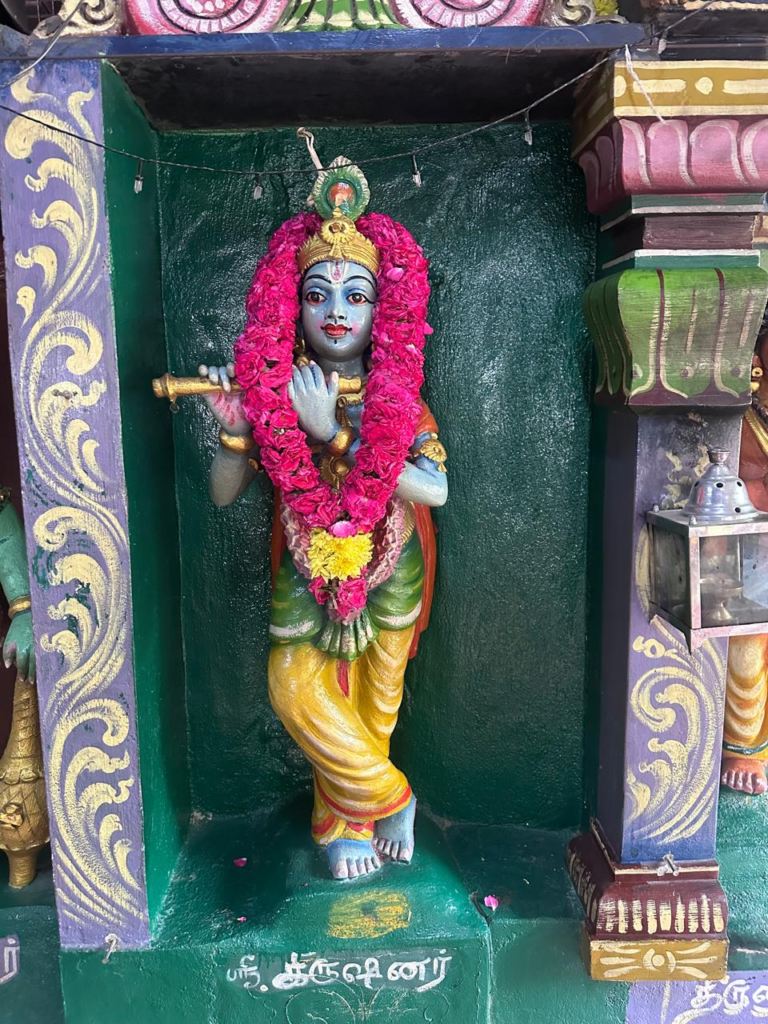
Sri Krishna: The Guru Who Taught Through the Battlefield
No account of great saints and gurus in India can begin anywhere but with Sri Krishna. On the battlefield of Kurukshetra, faced with Arjuna’s confusion and grief, Krishna did not offer comfort. He offered clarity, through the Bhagavad Gita, on duty, karma, and the nature of the self. That single conversation has reshaped the fate of readers for thousands of years, proving that a guru’s words can outlive the moment they were spoken in by millennia.
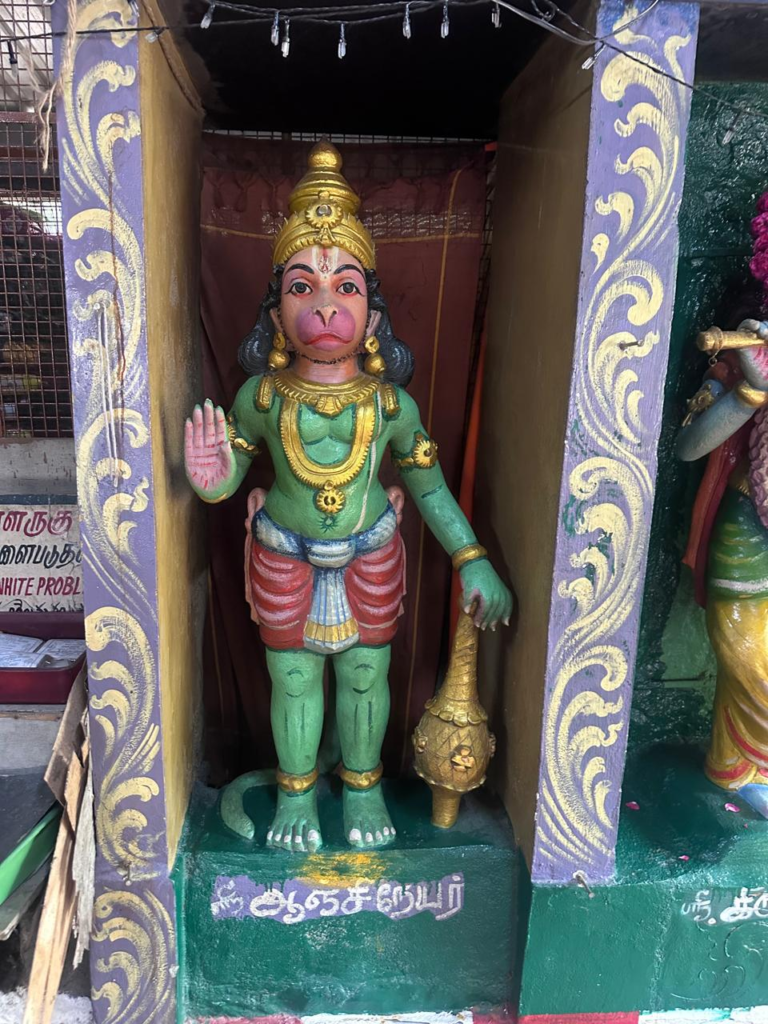
Sri Hanuman: Devotion as a Path to Transformation
Sri Hanuman is remembered less as a teacher of doctrine and more as the living embodiment of what devotion can do to a life. His unwavering focus on Rama, and the strength, humility, and wisdom that flowed from that devotion, has served as a template for seekers who feel lost in their own effort. Hanuman shows that transformation does not always come from receiving teaching. Sometimes it comes from giving oneself over completely to it.
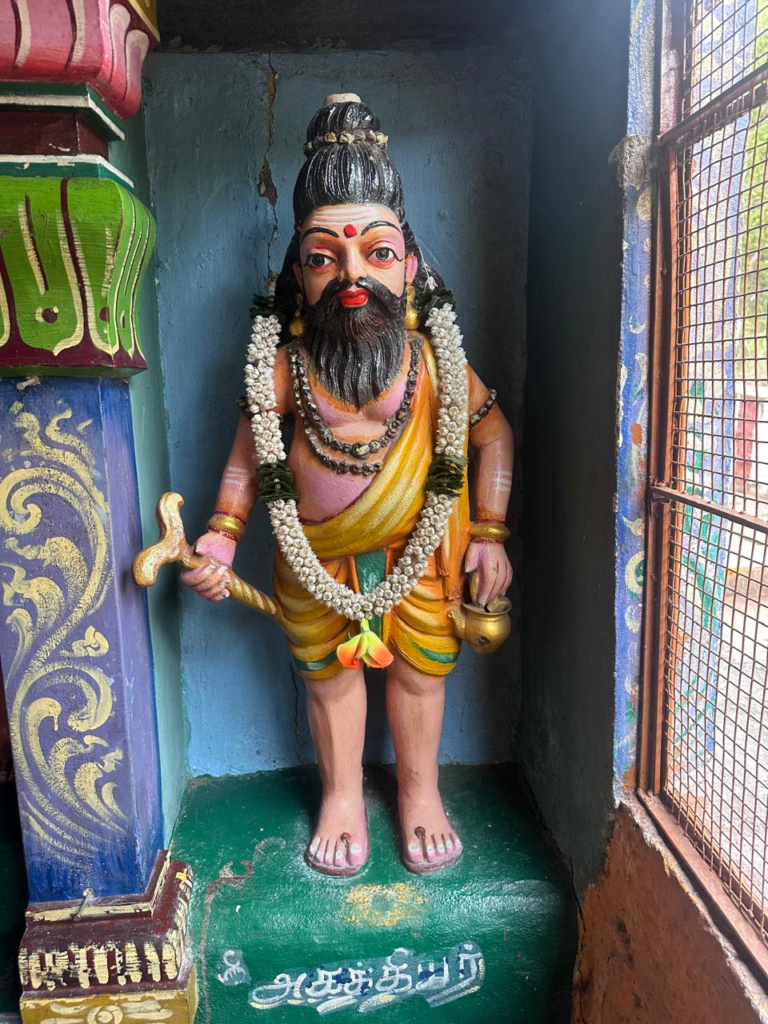
Maharshi Agastya: Compassion Coded Into a System
Maharshi Agastya took cosmic knowledge and shaped it into something ordinary people could actually use in their own lives. That system became Nadi Shastra, and it still guides seekers today who are trying to understand why their life has taken the shape it has. Agastya’s gift was not just wisdom. It was making wisdom usable, generation after generation.
Guru Dattatreya of Ganagapur
Guru Dattatreya, worshipped in his manifest form at Ganagapur, is regarded as a single embodiment of Brahma, Vishnu, and Shiva. Devotees who visit Ganagapur often describe experiences of sudden clarity or resolution to problems that had seemed permanent. His teaching of the 24 gurus, drawn from a spider, a river, a child, the earth itself, is a reminder that a saint’s influence is not confined to a lifetime or even a single form.
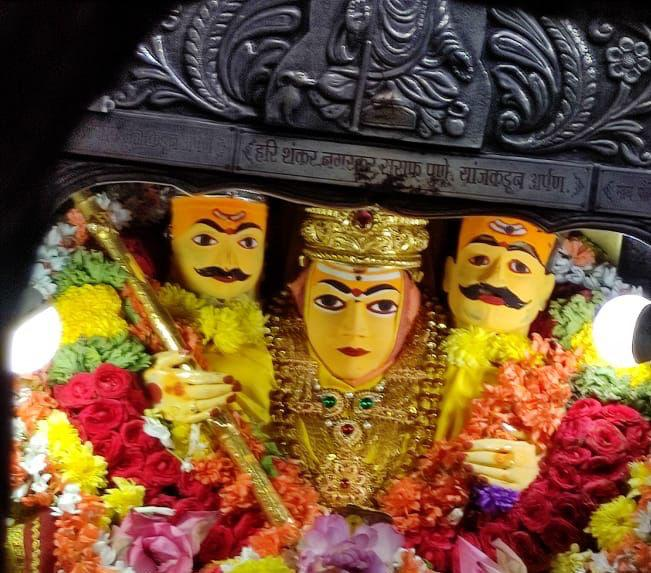
Bhogar, Arunagirinathar, and Pamban Swamigal with Murugan
Three of the most celebrated Siddhars in Tamil tradition are closely tied to the worship of Murugan. Bhogar is remembered for creating the navapashanam idol at Palani through alchemical and spiritual mastery few can fully explain. Arunagirinathar, once lost to a life of excess, was transformed so completely after his encounter with Murugan that he went on to compose the Thiruppugazh, verses still sung today for their power to shift the mind of anyone reciting them. Pamban Swamigal’s own devotion to Murugan became so complete that devotees describe him as having lived in constant communion with the deity, his life itself becoming a teaching.
Bhogar
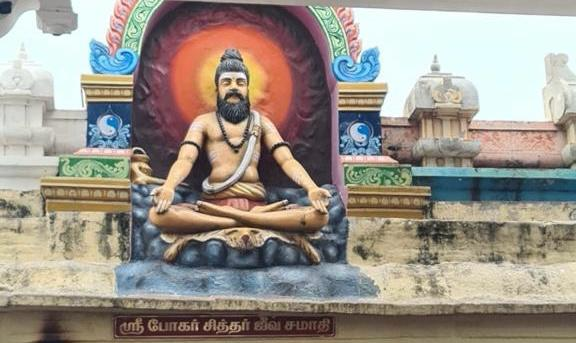
Arunagirinathar
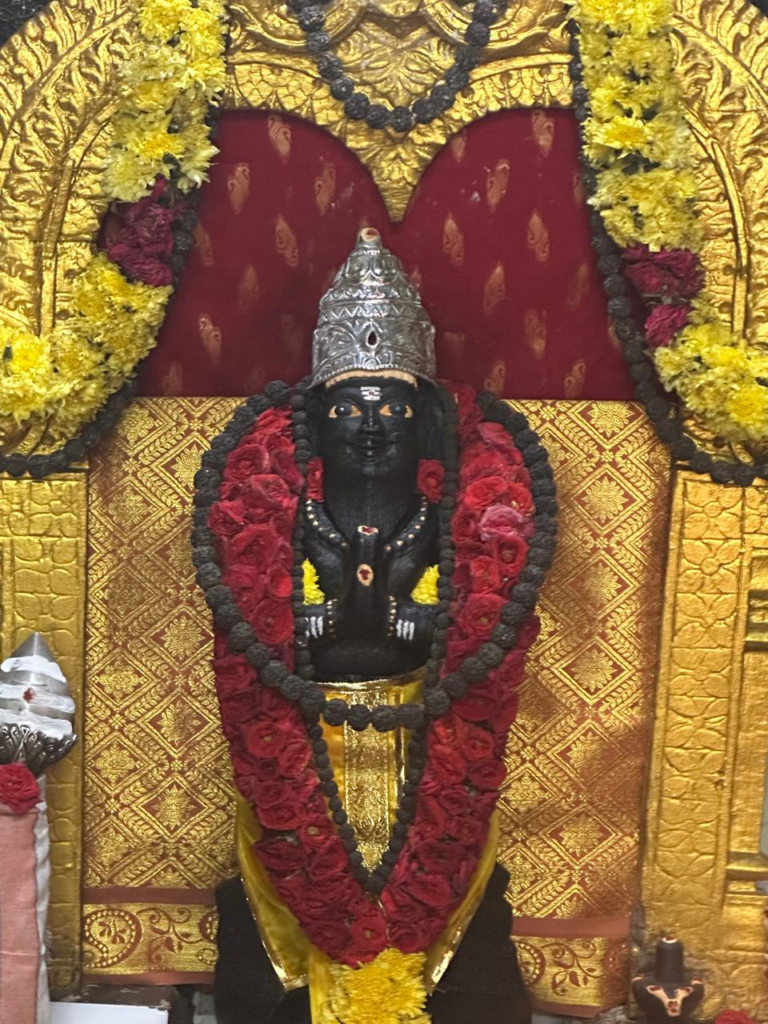
Pamban Swamigal with Murugan
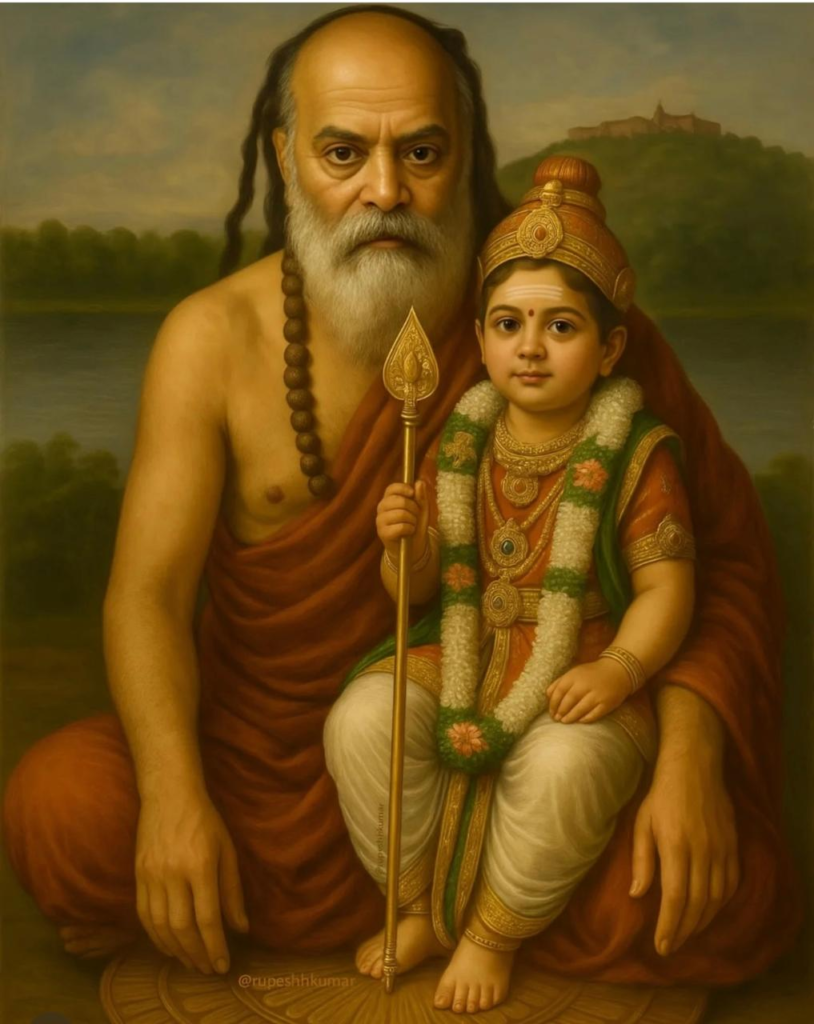
Sadhasiva Swamigal and Sacchidananda Swami of Vallimalai
Sadhasiva Swamigal is remembered in Tamil Nadu’s spiritual history as a wandering saint whose presence alone was said to resolve the suffering of those who crossed his path, often without a single word exchanged. Sacchidananda Swami of Vallimalai carried forward a similar tradition of silent, grace-driven transformation, drawing seekers to Vallimalai in search of the same stillness he embodied.
Sadhasiva Swamigal
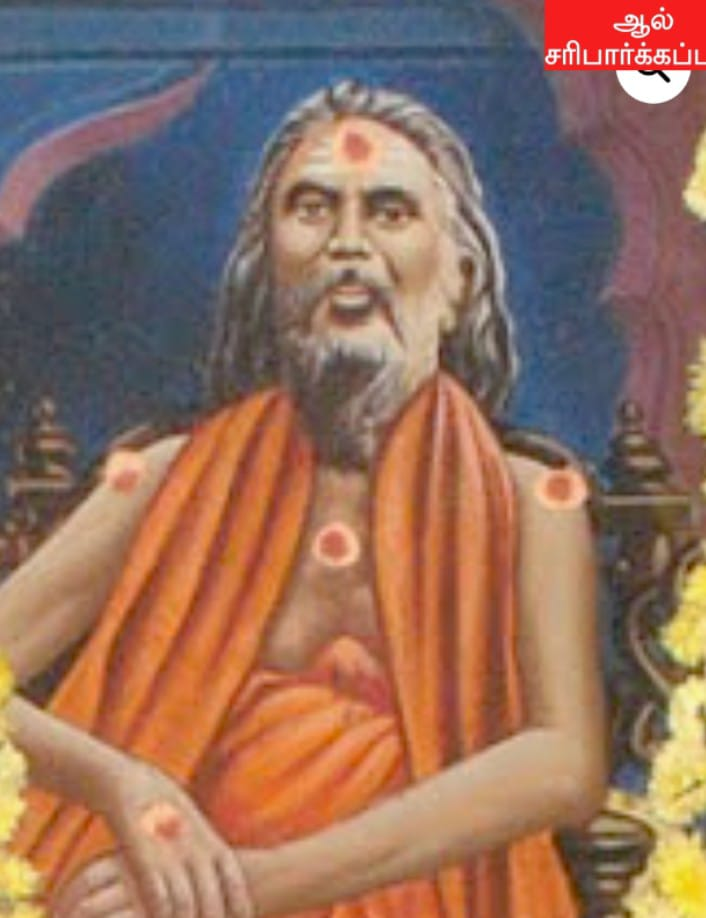
Sacchidananda Swami, Vallimalai
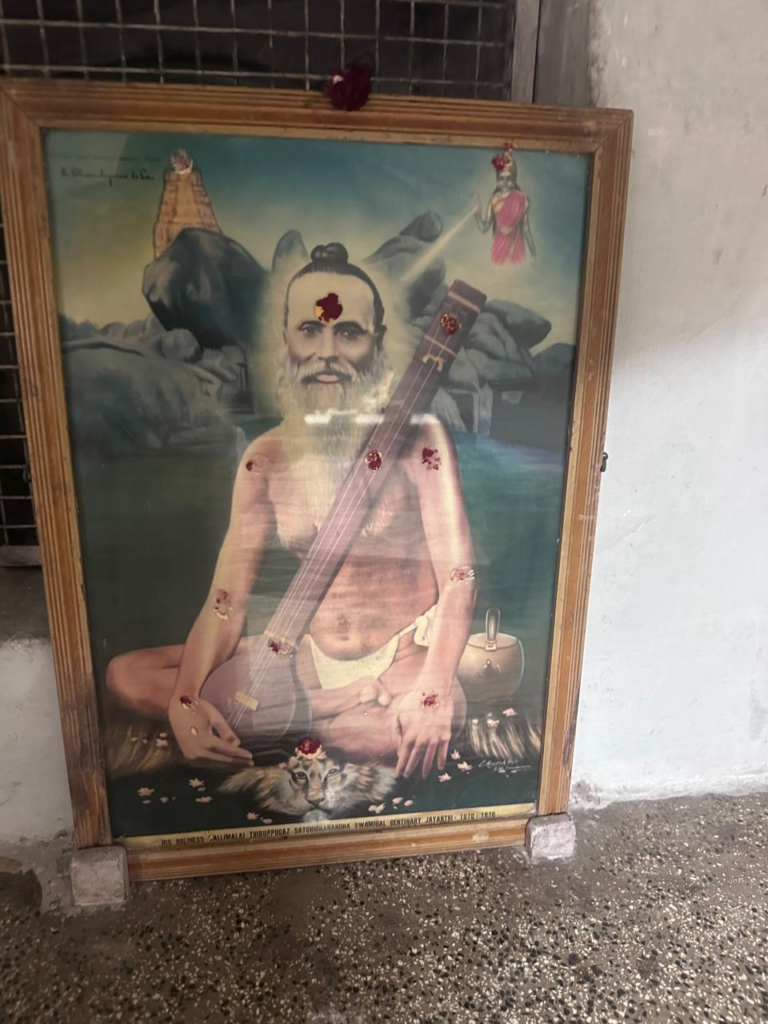
Thatha Venkata Subbaiah of Chennai
Closer to a living memory than a distant legend, Thatha Venkata Subbaiah of Chennai is remembered by devotees for the very personal, very direct way his guidance changed individual lives. Where some saints are approached through elaborate ritual, accounts of Thatha Venkata Subbaiah emphasise simplicity and immediacy, a saint who met people exactly where they were.
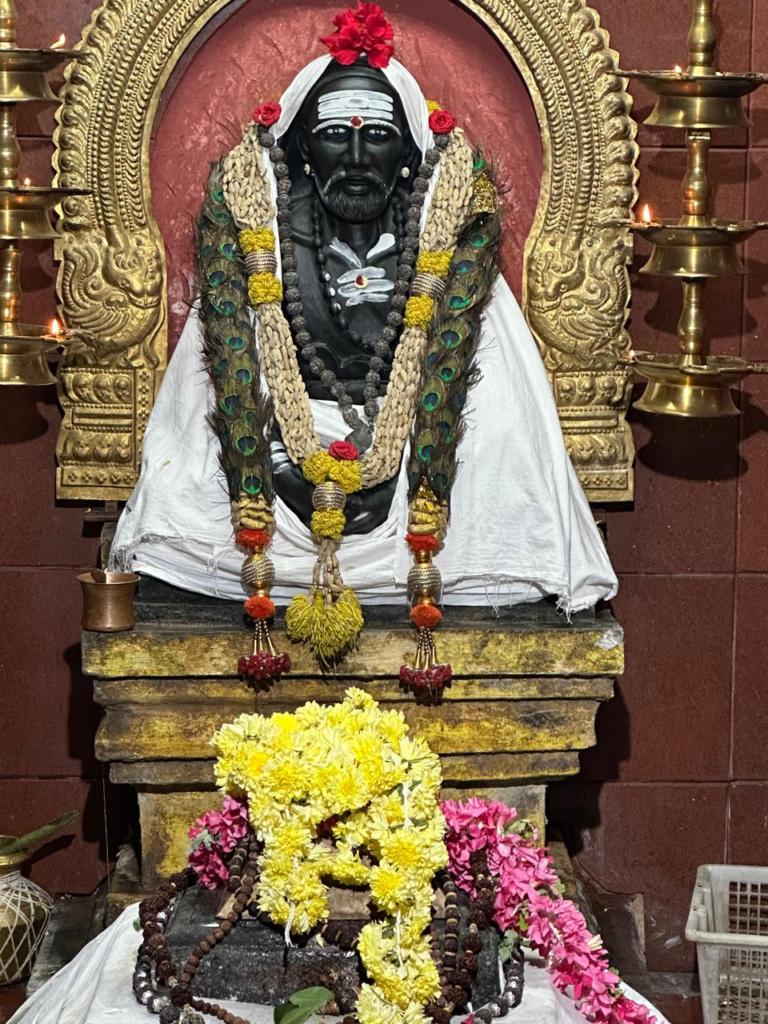
Trailinga Swami of Kashi
Trailinga Swami is one of the most extraordinary figures in India’s spiritual history, a saint whose life in Kashi was marked by feats that seemed to bend the ordinary laws of nature. Devotees who encountered him described a presence so overwhelming that entire life directions shifted after even a brief meeting. His story remains one of the clearest examples of a saint’s grace acting independent of a person’s prior circumstances.
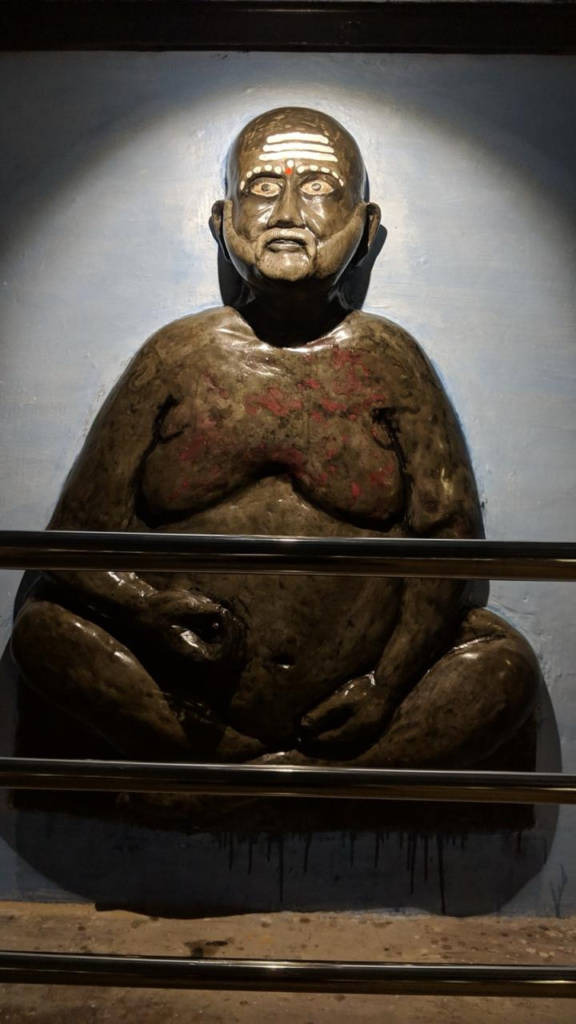
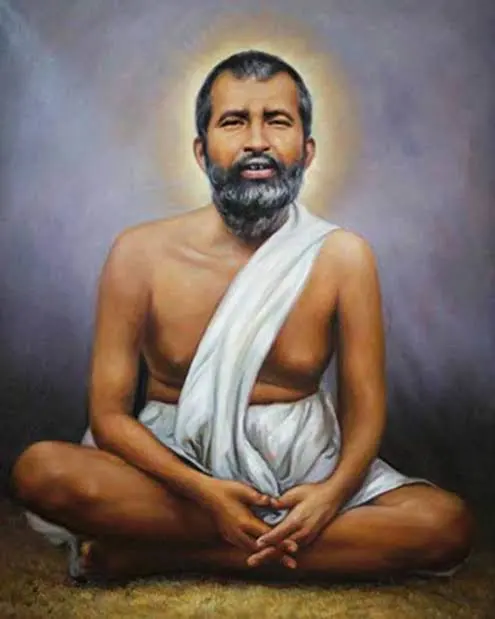
Sri Ramakrishna Paramahamsa
Sri Ramakrishna Paramahamsa drew seekers from every background, educated and uneducated, wealthy and poor, toward a direct experience of the divine rather than a merely intellectual one. His own life, marked by intense periods of spiritual practice across multiple traditions, became proof that the destination was the same no matter which path a person began on. The lineage that followed him carried that same conviction forward.
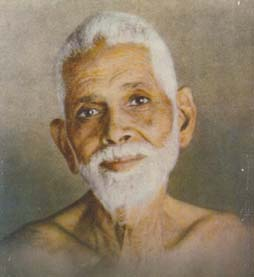
Ramana Maharshi
Ramana Maharshi guided thousands not through elaborate teaching but through quiet self-inquiry, the simple, relentless question of who one truly is. Seekers who arrived at Arunachala carrying years of confusion often left with a settled clarity that no amount of prior study had given them. His silence, much like that of Dakshinamurthy before him, carried its own unmistakable instruction.
Our Own Guru Parampara
Beyond these thirteen extraordinary figures, Guru Poornima asks something quieter of us too. Somewhere in each of our lives is a teacher, a parent, or a guide who shifted our direction in a smaller but no less real way. They may never be written about in a scripture, but they belong to the same Guru Parampara all the same.
The verse most commonly chanted on this day comes from the Guru Gita in the Skanda Purana:
गुरुर्ब्रह्मा गुरुर्विष्णुः गुरुर्देवो महेश्वरः ।
गुरुः साक्षात् परं ब्रह्म तस्मै श्रीगुरवे नमः ॥
The guru is Brahma, the guru is Vishnu, the guru is Shiva himself. The guru is the direct embodiment of the Supreme. To that guru, we offer our salutations.
Observing Guru Poornima This Year
If you want to mark the occasion at home this year, our guide on how to celebrate Guru Poornima at home covers simple rituals and offerings you can follow without needing a temple nearby.
Frequently Asked Questions
What makes someone a great saint rather than just a learned teacher?
A great saint is remembered not just for knowledge but for tangible transformation in other people’s lives, often through grace, presence, or what devotees describe as miracles, rather than through teaching alone.
Why are figures like Sri Krishna and Sri Hanuman included alongside more recent saints?
Guru Poornima honours the entire Guru Parampara, the unbroken lineage of guidance across time, so divine teachers from the epics and saints who lived within living memory are remembered together as part of one continuous tradition.
What is special about the Siddhars connected to Murugan, such as Bhogar and Arunagirinathar?
They represent a distinct Tamil spiritual tradition where devotion to Murugan itself became the transformative force, with each Siddhar leaving behind either a physical creation, like Bhogar’s idol, or a body of verse, like Arunagirinathar’s Thiruppugazh.
Did these saints only help devotees who followed strict rituals?
No. Many accounts describe these saints transforming the lives of people regardless of their background, past conduct, or level of ritual observance, which is part of why their grace is remembered as so significant.
Is Guru Poornima only a Hindu observance?
While rooted in Hindu and Vedic tradition, Guru Poornima is also observed in Buddhist and Jain traditions, reflecting a shared reverence across Indian spiritual paths for the role of the guru.